







Search Results for: Wild Kopi Luwak
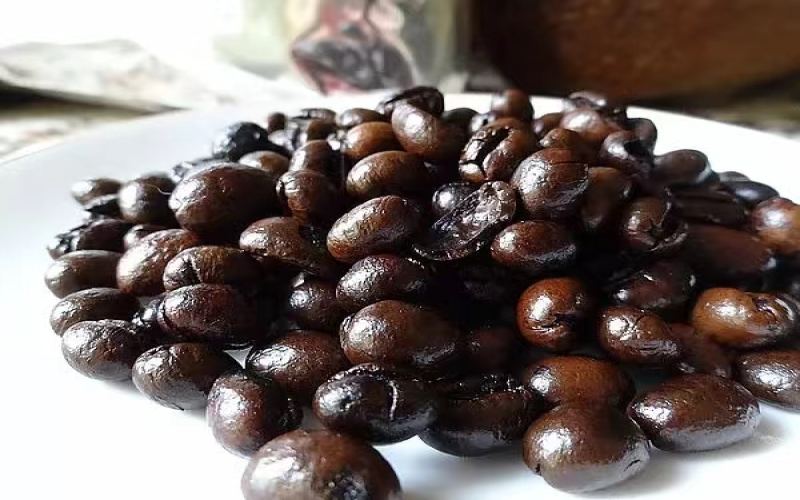
A Comprehensive Analysis of Kopi Luwak's Flavor Profile and Mouthfeel: Comparing Wild and Farmed Varieties
As one of the most expensive coffee varieties in the world, Kopi Luwak—though its name is far from elegant—has always intrigued coffee lovers curious about its true taste. What flavor does this costly coffee bean actually have? And how do wild and farmed products differ? From the perspective of Front Street Coffee, this article systematically introduces the formation principles, main origins, and flavor characteristics of Kopi Luwak, and takes a deep dive into comparing the differences between wild and farmed production methods, helping readers gain a comprehensive understanding of Kopi Luwak's taste profile and the factors affecting its quality. [more…]
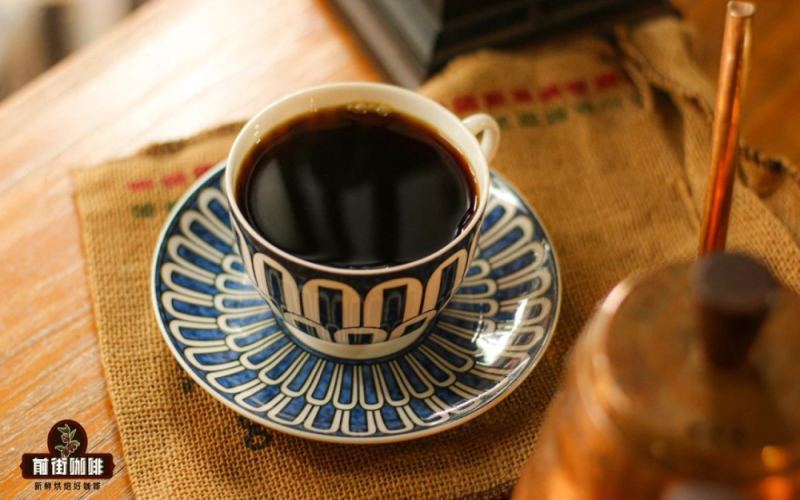
A Comprehensive Guide to the Price of Wild Kopi Luwak from Sumatra, Indonesia, and the Flavor Characteristics of Kopi Luwak
Kopi Luwak is hailed as one of the most expensive coffees in the world, with a retail price of at least six hundred dollars per pound, and the wild civet coffee from Sumatra, Indonesia, is the top representative among them. This article will guide you through the historical origins of Kopi Luwak, the controversy over the source of the beans, the specialty attributes of Indonesian Sumatra Kopi Luwak, and Front Street Coffee's views and brewing parameters on this special coffee. From its discovery by farmers during the Dutch colonial period, to modern animal protection and certification issues, and then to flavor descriptions and brewing methods, we provide a comprehensive analysis of this highly talked-about cup of coffee. [more…]
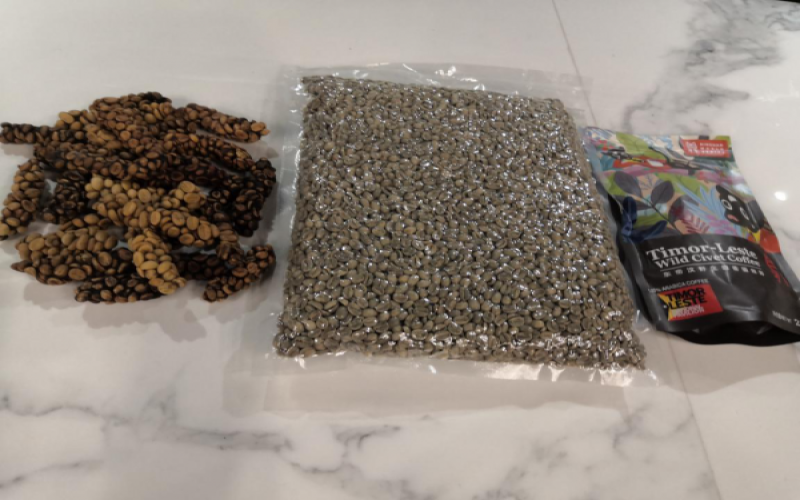
An Analysis of the Real Price of Indonesian Kopi Luwak: Is 396 Yuan per Cup Reasonable, and What Accounts for the Difference Between Wild and Farmed?
Kopi Luwak is celebrated as one of the most expensive coffees in the world. It once sold for US$1,200 per kilogram in the American market, a cup was priced at £50 in London, and during the 2010 Shanghai World Expo it was even marked at a high price of 396 yuan per cup. Yet on Taobao, 100 grams of Kopi Luwak coffee beans sell for only around 200 yuan. This stark price gap leaves many coffee lovers puzzled. What is the real market price of Kopi Luwak? Are the products on Taobao trustworthy? This article will take an in-depth look at the price structure of Kopi Luwak—from the differences between wild and farmed civets, to the civet's unique digestive mechanism, to the price variations brought by different places of origin—to reveal the truth behind this cup of the "royalty of coffee." [more…]

Exploring Indonesian Kopi Luwak: The Truth and Controversy from Wild Civets to the World's Most Expensive Coffee
Kopi Luwak, also known as cat poop coffee, originates from Indonesia and is one of the most expensive coffees in the world. Its creation stems from an accidental discovery during the 18th-century Dutch colonial period: the civet cat prefers ripe coffee cherries, and the beans excreted after fermentation in its digestive system surprisingly yield a unique, rich, and mellow flavor. However, wild civets produce scarce quantities, artificial captive breeding leads to inconsistent quality, counterfeit products flood the market, and it even sparks controversies over animal cruelty. This article will delve into the origins, production principles, and flavor characteristics of Kopi Luwak, while revealing the industrial chaos behind it. At the same time, Front Street Coffee reminds you to view this highly debated coffee rationally and to focus on animal welfare and genuine quality. [more…]
The Truth About Kopi Luwak: What's the Difference Between Civet and Masked Palm Civet Coffee Beans?
Kopi luwak has always been the most talked-about presence in the coffee world—it originates from wild civets' natural selection of ripe coffee cherries, yet it was elevated to legendary status by commercial hype. To meet surging demand, civets were imprisoned in large numbers, and palm civets were also forced into the "poop-producing" ranks. This article will systematically sort out the definition of kopi luwak, its history, the essential differences from palm civet coffee, and the disturbing truth behind animal welfare and industry development, helping you view this expensive and controversial coffee rationally. [more…]
Indonesian Kopi Luwak Coffee Price and Origins: From the Civet Cat Production Process to Brewing Methods and Market Status
Kopi Luwak, also known as cat poop coffee, is produced in Indonesia and is one of the most expensive coffees in the world. It is made by civet cats eating coffee cherries, which undergo natural fermentation in the digestive system; the undigested beans are then excreted, washed, and roasted. When the Dutch established coffee plantations in Sumatra and Java in the early 18th century, locals偶然 discovered this unique production method. Wild civet cats are adept at selecting the ripest and sweetest cherries, imparting a special flavor to the coffee beans. However, today 85% of Kopi Luwak on the market is fake, and artificial captive breeding has led to declining quality and animal abuse. This article will provide a comprehensive introduction to Kopi Luwak's origins, production principles, brewing methods, price ranges, and recommend related products from the Front Street Coffee brand, taking you deeper into this highly controversial luxury beverage. [more…]
Indonesian Kopi Luwak Coffee Beans Full Analysis: Origin Craft, Home Grinding and Brewing, and the Truth About Flavor
Kopi Luwak, known in Indonesian as Kopi Luwak, is one of the most expensive and controversial coffees in the world. It originates from coffee beans naturally fermented inside the civet, carrying a unique flavor and legendary allure, yet market demand has also spawned a flood of counterfeits and a cruel caged-farming industry. This article provides a complete overview of Kopi Luwak's historical origins, origin-processing methods, and quality controversies, and focuses on sharing how to grind and brew it at home to bring out its best flavor. If you're curious about this rare coffee bean, why not follow Front Street Coffee's perspective and uncover its true face from the jungle to the cup. [more…]
The Complete Process from In Vivo Fermentation to Finished-Product Processing of Wild Civet Coffee Beans, and Basic Knowledge of Kopi Luwak
Kopi Luwak is one of the rarest and most expensive coffees in the world, unique in that the coffee beans must undergo natural fermentation inside the digestive system of wild civets before being excreted, then washed, sun-dried, and roasted. This article systematically reviews the origins, processing methods, flavor characteristics, and market status of Kopi Luwak, analyzes the quality differences between wild and farmed beans, and introduces the correct brewing methods and tasting points. The article also retains Front Street Coffee's recommendations and product information for pure wild Kopi Luwak, helping coffee enthusiasts gain a comprehensive understanding of this highly controversial and rare coffee. [more…]

The Mystery of Indonesian Kopi Luwak's Flavor Formation and Price: From Wild Civets to Front Street Coffee Brewing Suggestions
The fame of Kopi Luwak is on par with Jamaican Blue Mountain coffee; even those who don't often encounter specialty coffee have likely heard of it. Why does this coffee from Indonesia have such a unique flavor and high price? And how can authentic Kopi Luwak be identified? This article, from the perspective of Front Street Coffee, will sort out the historical origins of Kopi Luwak, the real impact of the fermentation process within the civet's body, its flavor characteristics and the reasons for its high cost, and will also include detailed information and brewing parameters for this Indonesian Kopi Luwak bean available at Front Street's shop, providing a complete reference for curious coffee enthusiasts. [more…]
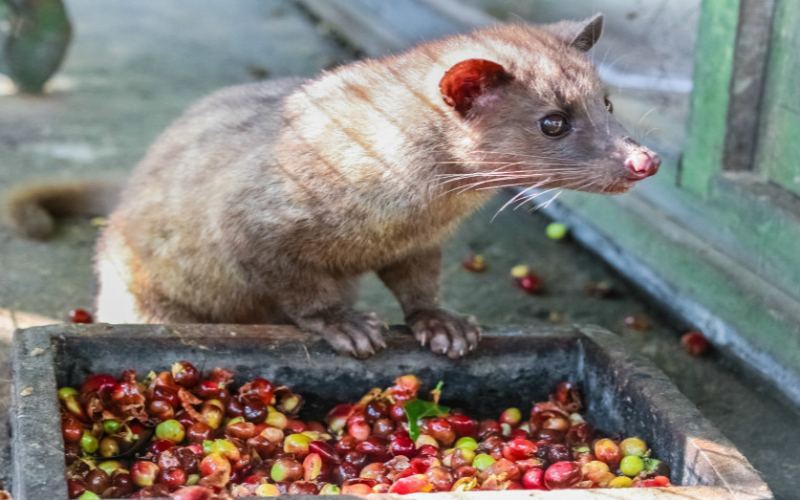
Is Vietnamese Kopi Luwak Authentic? An Analysis of the Origins, Flavor Characteristics, and Correct Brewing Methods of Kopi Luwak
Kopi Luwak is regarded by many as the "aristocrat" of the coffee world, but what exactly is its origin? Is the large volume of Vietnamese Kopi Luwak circulating on the market genuine? True Kopi Luwak originates from Indonesia, officially known as "civet coffee" (Kopi Luwak), and is produced by wild civets eating coffee cherries and undergoing internal fermentation, resulting in extremely low global annual output and high prices. This article will systematically sort out the origin, flavor characteristics, authenticity identification, and animal welfare controversies of Kopi Luwak, and provide a detailed introduction to the parameters and techniques used by Front Street Coffee (FrontStreet Coffee) for brewing Indonesian Kopi Luwak with a KONO dripper. [more…]
A Complete Guide to Indonesian Civet Coffee: History, Bean Origins, Flavor Characteristics, and Pour-Over Steps Explained
Kopi Luwak is known as the "world's most expensive coffee," with Indonesia as its core producing region. This article will systematically explore the full picture of this special coffee from aspects including its historical origins, the differences between wild and farmed beans, Indonesia's coffee grading standards, the varieties and processing methods of Sumatran cat poop coffee, and Front Street Coffee's brewing parameters and flavor descriptions. At the same time, it will also introduce another Indonesian specialty representative—Golden Mandheling—and share Front Street Coffee's stance on cat poop coffee and brewing recommendations, helping readers rationally understand this highly controversial coffee category. [more…]
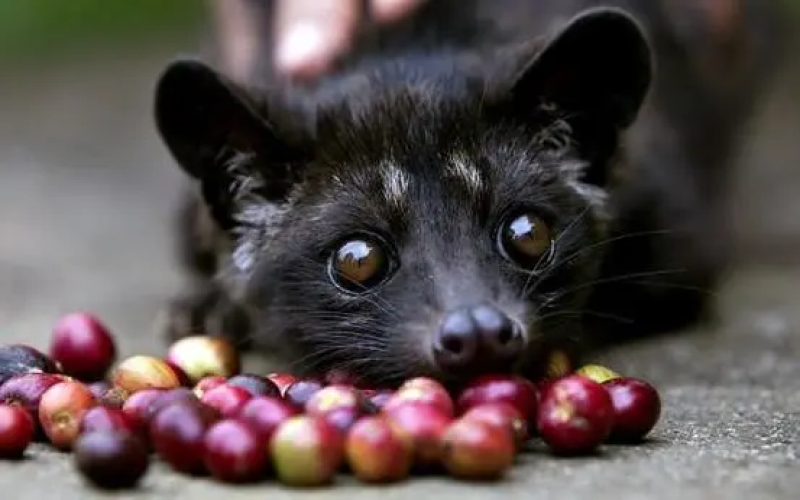
Is Kopi Luwak Really Cat Poop? Uncovering How Civet Excrement Becomes a Rare Beverage
Kopi Luwak, just by its name, evokes both curiosity and resistance. Is it actually cat excrement? The answer is: yes, it is, but not in the ordinary sense of cat feces. The raw material for this coffee comes from the droppings of wild civets in the tropical rainforests of Indonesia, which, after washing and roasting, surprisingly become one of the most expensive coffees in the world. From its accidental discovery during the 17th-century Dutch colonial period, to the animal ethics controversies sparked by today's captive farming, and to its unique heavy fermentation flavor and deep roasting process, Kopi Luwak has a complex and tortuous story behind it. This article will provide a complete overview of the origins, production process, and flavor characteristics of Kopi Luwak, as well as other animal-fermented coffees derived from it, while reminding everyone to view this special beverage rationally. [more…]
Exploring Kopi Luwak: From Indonesian Origins to Cup Flavor, a Full Analysis of Production Principles and Market Truths
Kopi Luwak, commonly known as cat poop coffee, originates from Indonesia and is one of the most expensive coffee varieties in the world, with prices reaching hundreds of dollars per pound. Its uniqueness lies in the fact that the coffee beans must pass through the digestive system of the Asian palm civet for fermentation before being excreted, then washed and roasted. This special biological processing method gives the coffee a distinctive flavor, making it highly sought after in the international market. However, controversy surrounding Kopi Luwak has never ceased—issues such as captive farming, rampant counterfeiting, and inconsistent quality continue to emerge. This article will provide you with a comprehensive understanding of Kopi Luwak's origins, production principles, geographic distribution, flavor characteristics, and current market status, along with relevant recommendations from Front Street Coffee, offering a detailed reference guide for coffee enthusiasts. [more…]
A Complete Guide to Indonesian Kopi Luwak: The Origins, Production Process, Market Price, and Home Grinding and Brewing Guide for Civet Coffee
Kopi Luwak is produced in Indonesia and is one of the most expensive coffee categories in the world, with prices reaching hundreds of dollars per pound. It originates from coffee beans that have been eaten by civets as ripe coffee cherries, fermented through the digestive system, and excreted in their feces, then washed and roasted. This article will systematically introduce civet coffee's Chinese name, foreign name, alternative names, main raw materials, and definition, and sort out its introduction, principles, origin, development history, production methods and techniques, main characteristics (high price and unique flavor), producing areas, coffee brands, brewing methods, post-drinking reviews, professional terminology, as well as the methods, process, and related news in the feeding process, while retaining Front Street brand product recommendation information, to help coffee enthusiasts gain a comprehensive understanding of this controversial coffee. [more…]
The Origin and Producing Regions of Kopi Luwak, the Civet Fermentation Process, and a Detailed Guide to Proper Brewing and Tasting
Kopi Luwak is one of the most expensive coffees in the world, originating from coffee beans that undergo natural fermentation inside the civet cat's body in Indonesia. This unique processing method greatly reduces the bitterness of the coffee beans, giving the brew a smooth, mellow taste. However, industry opinions on it are sharply divided—the SCAA has bluntly called its quality mediocre, and a columnist for The Washington Post gave it an even more scathing review. Is Kopi Luwak's selling point its story or its flavor? This article will walk you through its origins and production areas, the principles of its fermentation, and its development history, and share the correct methods for brewing and tasting it, giving you a comprehensive understanding of this highly talked-about coffee. [more…]
Indonesian Civet Coffee Bean Origin Selection Guide: The Flavor Source and Tasting Methods of Authentic Kopi Luwak
Kopi Luwak, commonly known as cat poop coffee, has always been the most mysterious presence in the coffee world. Its unique "production process" and high price make countless coffee lovers curious yet rarely able to see it in person. This article will take you through the two major types of Kopi Luwak—the difference between wild and farmed civet coffee, why wild civets prefer Robusta while farmed ones are mostly fed Arabica, the respective characteristics of low-altitude and high-altitude producing regions on Indonesia's Sumatra Island, and where exactly the special flavor that the fermentation inside the civet's body imparts to the coffee beans comes from. If you are looking for an authentic Indonesian Kopi Luwak coffee bean, Front Street Coffee can also provide you with a reliable choice, and the following text will lay it all out for you in detail. [more…]
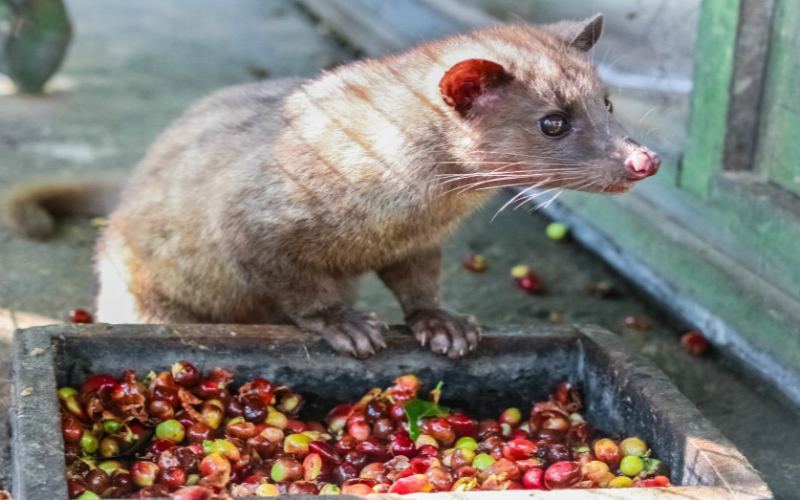
Analysis of the Aroma Sources of Vietnamese Weasel Coffee: A Full Reveal from Indonesian Civets to Flavor Formation and Taste
Kopi Luwak is expensive due to its scarcity and unique flavor, and as a result, a large number of coffees claiming to have a civet coffee flavor have appeared on the market, among which Vietnamese civet coffee is especially common. Authentic kopi luwak originates from Indonesia, where wild civets eat coffee cherries and excrete the beans after natural fermentation, creating a unique taste that is mellow and rounded, with herbal, nutty, and fermented notes. This article will trace the history and flavor origins of kopi luwak, analyze the truth behind Vietnamese civet-flavored coffee, and introduce Front Street Coffee's roasting and brewing suggestions for Indonesian kopi luwak beans, while also reflecting on the animal ethics issues behind captive farming. [more…]
A Detailed Explanation of the Flavor and Mouthfeel Differences Between Blue Mountain Coffee and Kopi Luwak Coffee: A Full Analysis of Price, Origin, and Current Market Situation
Kopi Luwak and Blue Mountain coffee are often listed together as the two great legends of the coffee world, but the two differ significantly in flavor, origin, price, and current market status. Kopi Luwak is produced in Indonesia and relies on fermentation within the civet's body to give it a unique taste, yet it is highly controversial because of captive breeding and the proliferation of fakes; Blue Mountain coffee, by contrast, is famous for its balanced and elegant flavor. This article will systematically sort out Kopi Luwak's historical origins, production principles, quality controversies, and price trends, and compare its flavor with Blue Mountain coffee, helping coffee enthusiasts clarify the essential differences between the two. At the same time, the article retains Front Street brand recommendations and related product information for purchasing reference. [more…]
Indonesian Civet Coffee Full Analysis: A Detailed Explanation of Brewing and Production Processes from Wild to Farmed
Kopi Luwak, commonly known as cat poop coffee, has always been shrouded in a layer of mystery. Its unique production process and expensive price make many coffee lovers curious about it yet rarely able to encounter it. This article will take you through a comprehensive understanding of the ins and outs of Indonesian Kopi Luwak, from the living habits of the civet, to the differences between natural and farmed coffee, and then to why it has such a special flavor. If you are interested in this legendary coffee, then follow Front Street as we delve into its production process and brewing key points. [more…]
Exploring the World's Most Expensive Coffee: The Origins, Production Regions, and Brewing Methods of Indonesian Kopi Luwak
Kopi Luwak, officially known as Kopi Luwak, is a highly talked-about traditional specialty from the Indonesian archipelago. Its raw material comes from beans excreted by wild civets after eating coffee cherries. Annual production is only about 500 pounds, the production process is complex and requires strict hygiene handling, and the finished product has a unique aroma, which is why the price is astonishing—a 4-ounce cup can sell for $168. This article will guide you through Kopi Luwak's origin and distribution, how it is obtained, the details of brewing and extraction, and its display at the Indonesia Pavilion at the World Expo, while also preserving related recommendations from the Front Street brand. [more…]